A Roadmap for Entrepreneurs Who Want to Make an Impact.
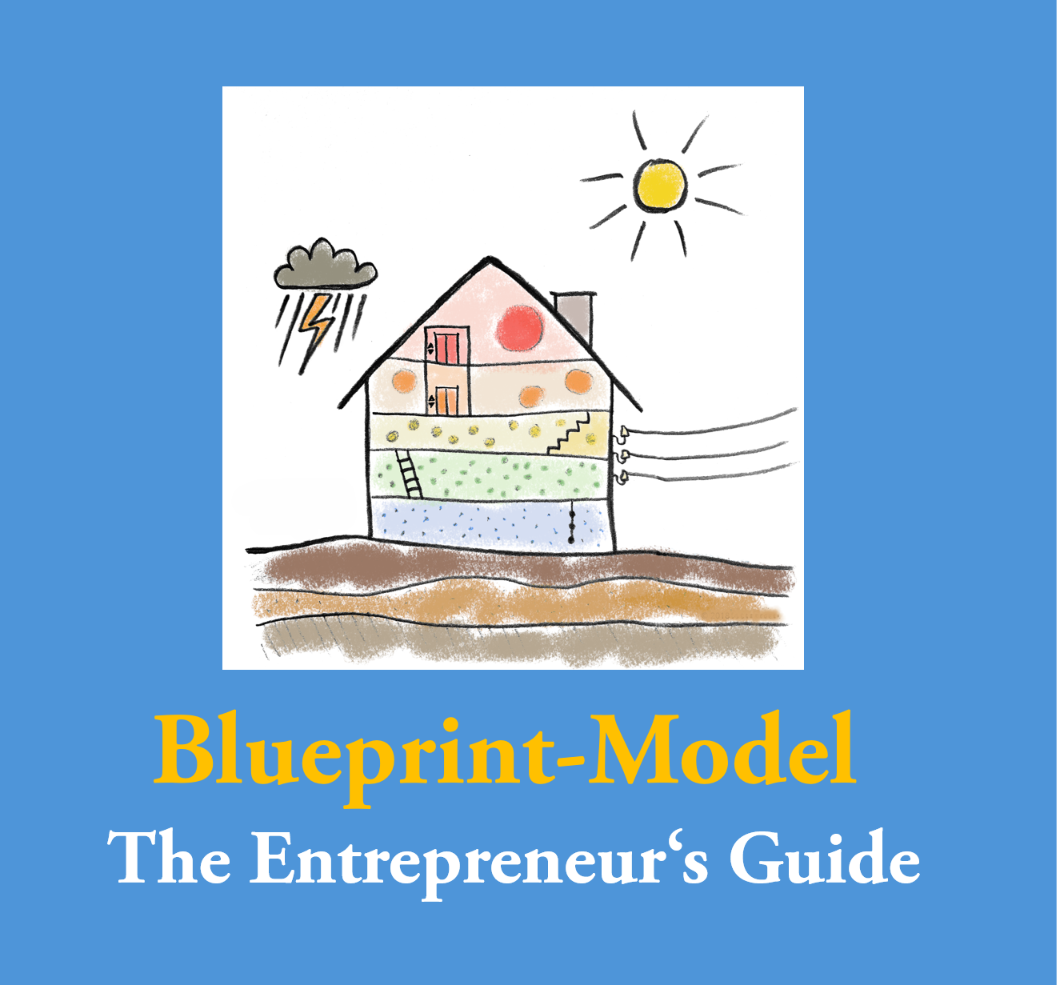
The Blueprint model presents a tremendous opportunity.
When the insights from the model—values, vision, risk, growth, energy sources—are combined with a culture that is ready to learn quickly and act decisively, the result is entrepreneurial potential that knows virtually no bounds.
But this opportunity can only be realized if entrepreneurs are willing to adapt their model rather than copy it. Every country has its own strengths. The art lies in adapting the model in a way that reinforces these strengths rather than overshadowing them.
Entrepreneurship is like water: it takes the shape of the vessel into which it is poured. Those who understand how cultures function can design their model so that it flows everywhere—and makes an impact everywhere.
Practical Application
A model is only as valuable as its implementation. Many entrepreneurs fail not because of a lack of ideas, but because of a lack of clarity, a lack of prioritization, or a lack of consistency. Let’s summarize the most important steps that founders can apply immediately to build a stable business and foster sustainable growth.
The first step is clarifying your own values. Values are the compass that guides decisions—especially when the going gets tough. Founders should ask themselves: What do I stand for? What is non-negotiable? A clear foundation of values provides direction and builds trust.
The second step is developing a vision that is bigger than the current problem. Visions often emerge from crises, but they provide strength far beyond the crisis itself. A strong vision attracts people, creates focus, and gives the company direction.
The third step is actively preparing for risks. Crises are bound to happen—but they don’t have to be destructive. Entrepreneurs who identify risks early, think through scenarios, and develop contingency plans act from a position of strength rather than panic.
The fourth step is consciously choosing the right stage for the company. Not every idea belongs on the top floor right away. Founders should honestly assess which level aligns with their skills, resources, and goals—and then purposefully prepare for the next level.
The fifth step is strengthening the three sources of energy: mindset, know-how, and capital. Entrepreneurs who learn, grow, and take responsibility lay the foundation for a company that not only functions but also inspires.
The sixth step is cultural adaptation. Anyone working internationally must understand how people in other cultures think, learn, and act. Models only work if they are adapted—not copied.
These steps are not theory. They are the proven practices of successful entrepreneurs. They help create clarity, set priorities, and strengthen the business step by step.
In my book, *The 10 Commandments for Entrepreneurs*, I guide you through the most important areas of business management. Written in simple language so you can put the ideas into practice right away.